The Hell Where Youth and Laughter Go: Unearthing the Silent Dead of War
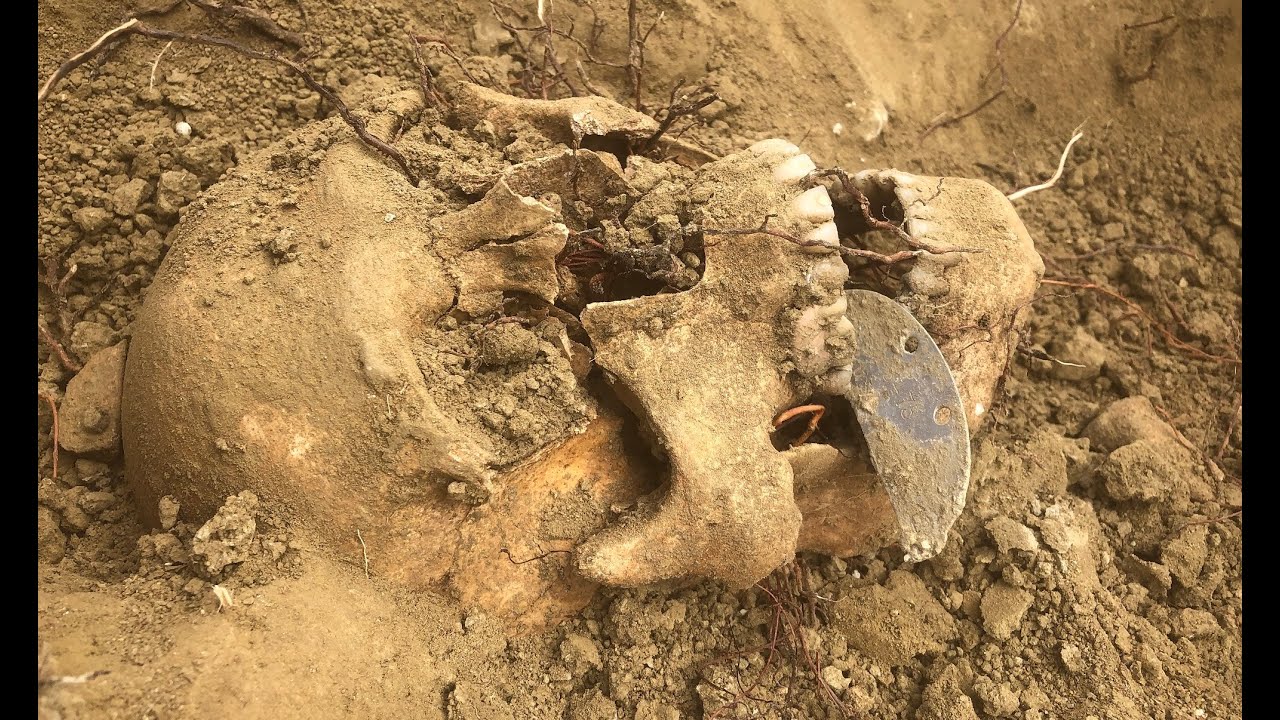
In a quiet village cemetery somewhere in Eastern Europe, the soil held secrets for nearly eight decades. Beneath its surface lay 152 German soldiers, killed in the final, chaotic months of World War II. They had been buried hastily in 1945—without ceremony, without markers, and largely without memory. Their graves, shallow and anonymous, became part of the landscape, blending into the slow passage of time. But recently, they were exhumed—carefully lifted from the earth, examined, and prepared for reburial in a centralized military cemetery. In this act of recovery, history was not just remembered; it was confronted in its most physical, haunting form.
The exhumation revealed more than bones. It revealed stories.
Among the remains were skeletons marked by violence and desperation. Some bodies bore evidence of amputations—limbs removed in a last attempt to save lives under primitive battlefield conditions. Others still had splints or tourniquets, silent testimony to hurried medical interventions carried out under fire or in makeshift field hospitals. Fractured bones, shattered skulls, and embedded fragments of metal told of explosions, gunfire, and the relentless brutality of the Eastern Front. These were not abstract casualties listed in history books; they were young men whose final moments were preserved in their wounds.
Scattered among the remains were identification tags, known as dog tags, many still legible. These small pieces of metal bridged the gap between anonymity and identity. They whispered names, units, and fragments of personal histories long forgotten. A few skeletons were found wearing rings—wedding bands or military insignia—intimate artifacts that spoke of love, commitment, and identity beyond the battlefield. One can only imagine the lives these men left behind: wives who waited, families who hoped, and futures that were never realized.
War often reduces individuals to numbers, to strategies, to outcomes. But the exhumation strips away that abstraction. It forces us to see the human cost in its rawest form. These soldiers were once young—full of laughter, ambition, and perhaps fear. They were sent into a conflict that consumed millions, a war driven by ideology, power, and political ambition. Whatever their role or beliefs, their end was the same: violent, abrupt, and far from home.
The phrase “the hell where youth and laughter go” captures the essence of this tragedy. War is often romanticized in stories of heroism and sacrifice, but the reality is far grimmer. The Eastern Front, in particular, was a place of unimaginable suffering. It was a vast “meat grinder,” where soldiers endured extreme weather, constant danger, and overwhelming loss. Death was not always immediate; it often came slowly, through infection, exposure, or untreated wounds. The evidence found on these bodies—tourniquets, splints, surgical marks—suggests that many fought not just against the enemy, but against pain and the limits of medical knowledge at the time.
One of the most striking aspects of the exhumation is how it challenges perceptions. For decades, many have viewed German soldiers of World War II through the lens of the regime they served. While it is essential to acknowledge the atrocities committed during the war, it is equally important to recognize the humanity of the individuals who fought. These remains remind us that they were not faceless embodiments of ideology, but human beings—sons, husbands, and friends. Some may have believed in the cause they served; others may have been conscripted, caught in a system beyond their control. In death, distinctions blur, and what remains is a shared human vulnerability.
The reburial of these soldiers in a centralized cemetery, under the care of an organization dedicated to war graves, is an act of dignity. It does not glorify the war or excuse its causes. Instead, it acknowledges the dead as individuals who deserve to be remembered properly. Clean rows of graves, marked with names where possible, offer a stark contrast to the forgotten pits in which they were first laid. Yet even this act raises questions. Can order and ceremony truly compensate for the chaos and suffering that led to these deaths? Or does it risk softening the harsh reality of war?
Some observers have reflected on this tension. They note that while reburial provides respect, it can also create a narrative that frames sacrifice in noble terms, potentially obscuring the senselessness of the conflict. A soldier who died in agony in a foreign land is later honored with flags and inscriptions, transforming a brutal end into a symbol of duty and patriotism. This transformation can be comforting, but it may also distance us from the true nature of what occurred.
The images and findings from the exhumation challenge us to confront that reality directly. They show the physical consequences of war without filters or embellishment. The broken bones, the evidence of pain, the silent expressions etched into skeletal remains—all of it resists romanticization. It forces us to ask difficult questions: What is the true cost of war? Who pays it? And how should we remember those who are lost?
Perhaps the most powerful lesson lies in empathy. Each skeleton represents a life interrupted. Someone, somewhere, once cared deeply for that person. Letters may have been written, promises made, dreams shared. When these soldiers did not return, grief followed—often without closure. The exhumation, decades later, is not just an archaeological process; it is a human one. It reconnects the present with the past, offering a chance, however small, to restore identity and dignity to the forgotten.
In the end, the exhumation of these 152 soldiers is a reminder that history is not only recorded in books and monuments, but also buried in the الأرض beneath our feet. When uncovered, it speaks—not in words, but in evidence that cannot be ignored. It tells of suffering, loss, and the fragility of life in times of conflict.
War takes many things: land, resources, and power. But its most profound cost is human. It takes youth, laughter, and the possibility of futures that will never be lived. And sometimes, decades later, it gives back only bones—silent witnesses to a past that must never be forgotten.
The exhumation revealed more than bones. It revealed stories.
Among the remains were skeletons marked by violence and desperation. Some bodies bore evidence of amputations—limbs removed in a last attempt to save lives under primitive battlefield conditions. Others still had splints or tourniquets, silent testimony to hurried medical interventions carried out under fire or in makeshift field hospitals. Fractured bones, shattered skulls, and embedded fragments of metal told of explosions, gunfire, and the relentless brutality of the Eastern Front. These were not abstract casualties listed in history books; they were young men whose final moments were preserved in their wounds.
Scattered among the remains were identification tags, known as dog tags, many still legible. These small pieces of metal bridged the gap between anonymity and identity. They whispered names, units, and fragments of personal histories long forgotten. A few skeletons were found wearing rings—wedding bands or military insignia—intimate artifacts that spoke of love, commitment, and identity beyond the battlefield. One can only imagine the lives these men left behind: wives who waited, families who hoped, and futures that were never realized.
War often reduces individuals to numbers, to strategies, to outcomes. But the exhumation strips away that abstraction. It forces us to see the human cost in its rawest form. These soldiers were once young—full of laughter, ambition, and perhaps fear. They were sent into a conflict that consumed millions, a war driven by ideology, power, and political ambition. Whatever their role or beliefs, their end was the same: violent, abrupt, and far from home.
The phrase “the hell where youth and laughter go” captures the essence of this tragedy. War is often romanticized in stories of heroism and sacrifice, but the reality is far grimmer. The Eastern Front, in particular, was a place of unimaginable suffering. It was a vast “meat grinder,” where soldiers endured extreme weather, constant danger, and overwhelming loss. Death was not always immediate; it often came slowly, through infection, exposure, or untreated wounds. The evidence found on these bodies—tourniquets, splints, surgical marks—suggests that many fought not just against the enemy, but against pain and the limits of medical knowledge at the time.
One of the most striking aspects of the exhumation is how it challenges perceptions. For decades, many have viewed German soldiers of World War II through the lens of the regime they served. While it is essential to acknowledge the atrocities committed during the war, it is equally important to recognize the humanity of the individuals who fought. These remains remind us that they were not faceless embodiments of ideology, but human beings—sons, husbands, and friends. Some may have believed in the cause they served; others may have been conscripted, caught in a system beyond their control. In death, distinctions blur, and what remains is a shared human vulnerability.
The reburial of these soldiers in a centralized cemetery, under the care of an organization dedicated to war graves, is an act of dignity. It does not glorify the war or excuse its causes. Instead, it acknowledges the dead as individuals who deserve to be remembered properly. Clean rows of graves, marked with names where possible, offer a stark contrast to the forgotten pits in which they were first laid. Yet even this act raises questions. Can order and ceremony truly compensate for the chaos and suffering that led to these deaths? Or does it risk softening the harsh reality of war?
Some observers have reflected on this tension. They note that while reburial provides respect, it can also create a narrative that frames sacrifice in noble terms, potentially obscuring the senselessness of the conflict. A soldier who died in agony in a foreign land is later honored with flags and inscriptions, transforming a brutal end into a symbol of duty and patriotism. This transformation can be comforting, but it may also distance us from the true nature of what occurred.
The images and findings from the exhumation challenge us to confront that reality directly. They show the physical consequences of war without filters or embellishment. The broken bones, the evidence of pain, the silent expressions etched into skeletal remains—all of it resists romanticization. It forces us to ask difficult questions: What is the true cost of war? Who pays it? And how should we remember those who are lost?
Perhaps the most powerful lesson lies in empathy. Each skeleton represents a life interrupted. Someone, somewhere, once cared deeply for that person. Letters may have been written, promises made, dreams shared. When these soldiers did not return, grief followed—often without closure. The exhumation, decades later, is not just an archaeological process; it is a human one. It reconnects the present with the past, offering a chance, however small, to restore identity and dignity to the forgotten.
In the end, the exhumation of these 152 soldiers is a reminder that history is not only recorded in books and monuments, but also buried in the الأرض beneath our feet. When uncovered, it speaks—not in words, but in evidence that cannot be ignored. It tells of suffering, loss, and the fragility of life in times of conflict.
War takes many things: land, resources, and power. But its most profound cost is human. It takes youth, laughter, and the possibility of futures that will never be lived. And sometimes, decades later, it gives back only bones—silent witnesses to a past that must never be forgotten.