The Artemis II mission, set to take off as early as Wednesday, and fly around the moon, is just the latest chapter in a long series of lunar exploratory space missions deployed by NASA over the last six decades.
The Artemis II mission most similarly resembles the accomplishments of the famed Apollo 8 mission.
In the same way that Artemis II serves as the first crewed flight to test technology for future missions to the moon and Mars, Apollo 8, which launched on Dec. 21, 1968, also served as a lunar landing preparation mission, preceding Apollo 11’s July 1969 lunar landing.
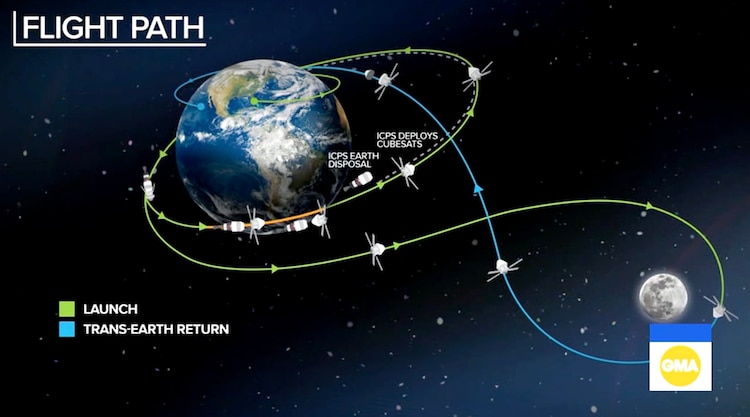
Despite the similar objectives of the two missions, Apollo 8 and Artemis II have a few distinct differences.
Apollo 8 opted to orbit the moon ten times through its mission before returning to its origin. Artemis II is doing a lunary fly-by before returning to earth.

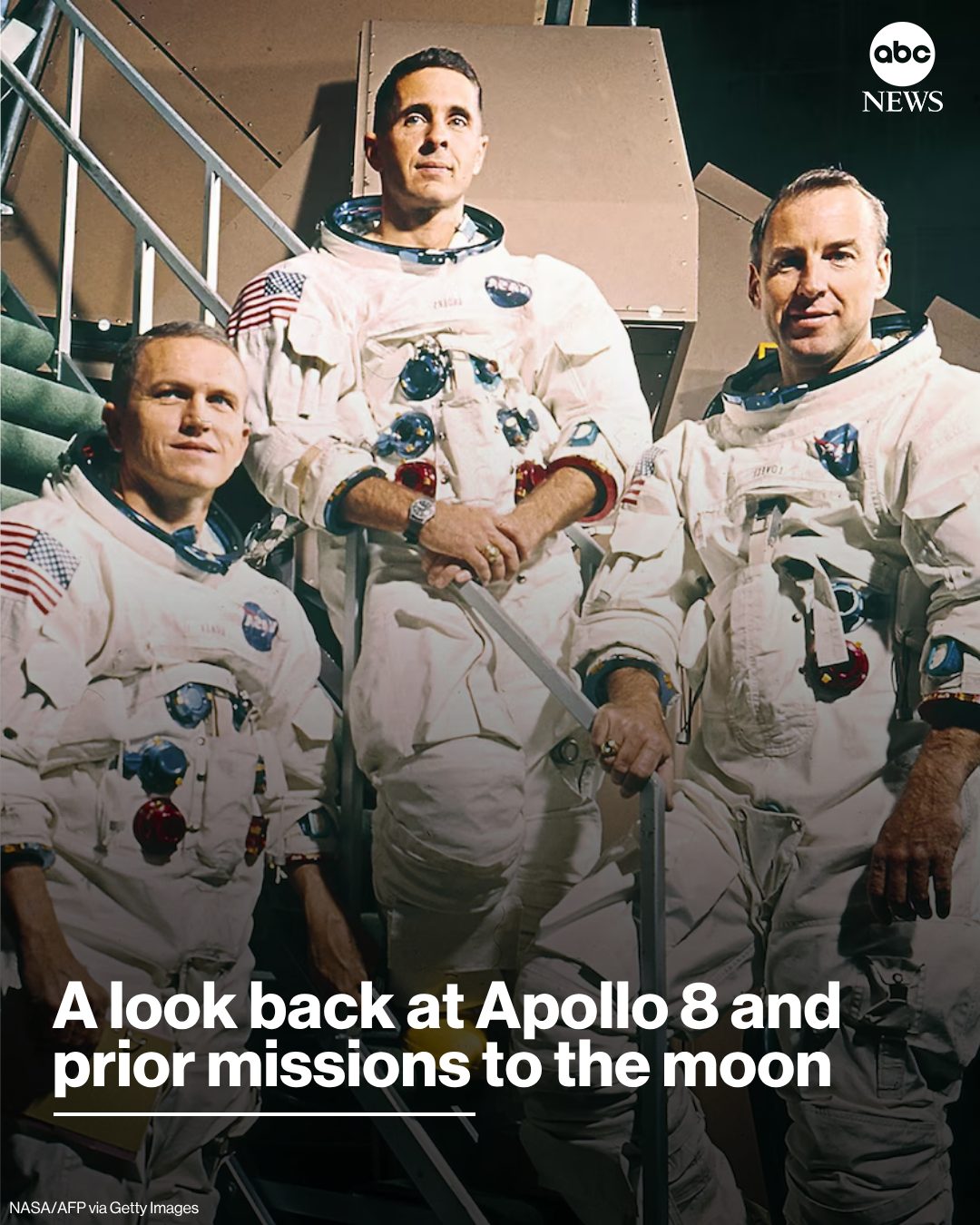
Another key difference between the two missions is the makeup of the crew. Apollo 8 featured a three-man crew of Frank F. Borman II, James A. Lovell Jr. and William A. Anders.
In comparison, Artemis II features a diverse group of four astronauts: Victor Glover, Christina Hammock Koch and Reid Wiseman of NASA and Jeremy Hansen of the Canadian Space Agency. Koch will be the first woman and Glover will be the first person of color to travel to the moon.
Here is a look back at some of the key space travel missions leading up to the launch of Artemis II.
Apollo 8
The Apollo 8 mission was the first human mission to the moon and it marked the first time astronauts saw the far side of the moon.


Apollo 11
The historic Apollo 11 mission landed the first men on the moon. “One small step for [a] man, one giant leap for mankind,” Commander Neil Armstrong said while stepping foot on the moon’s surface.


Artemis I
The first Artemis I mission laid the groundwork for Artemis II’s launch using the Orion spacecraft and the SLS (Space Launch System) for an uncrewed trip around the moon in November 2022.